
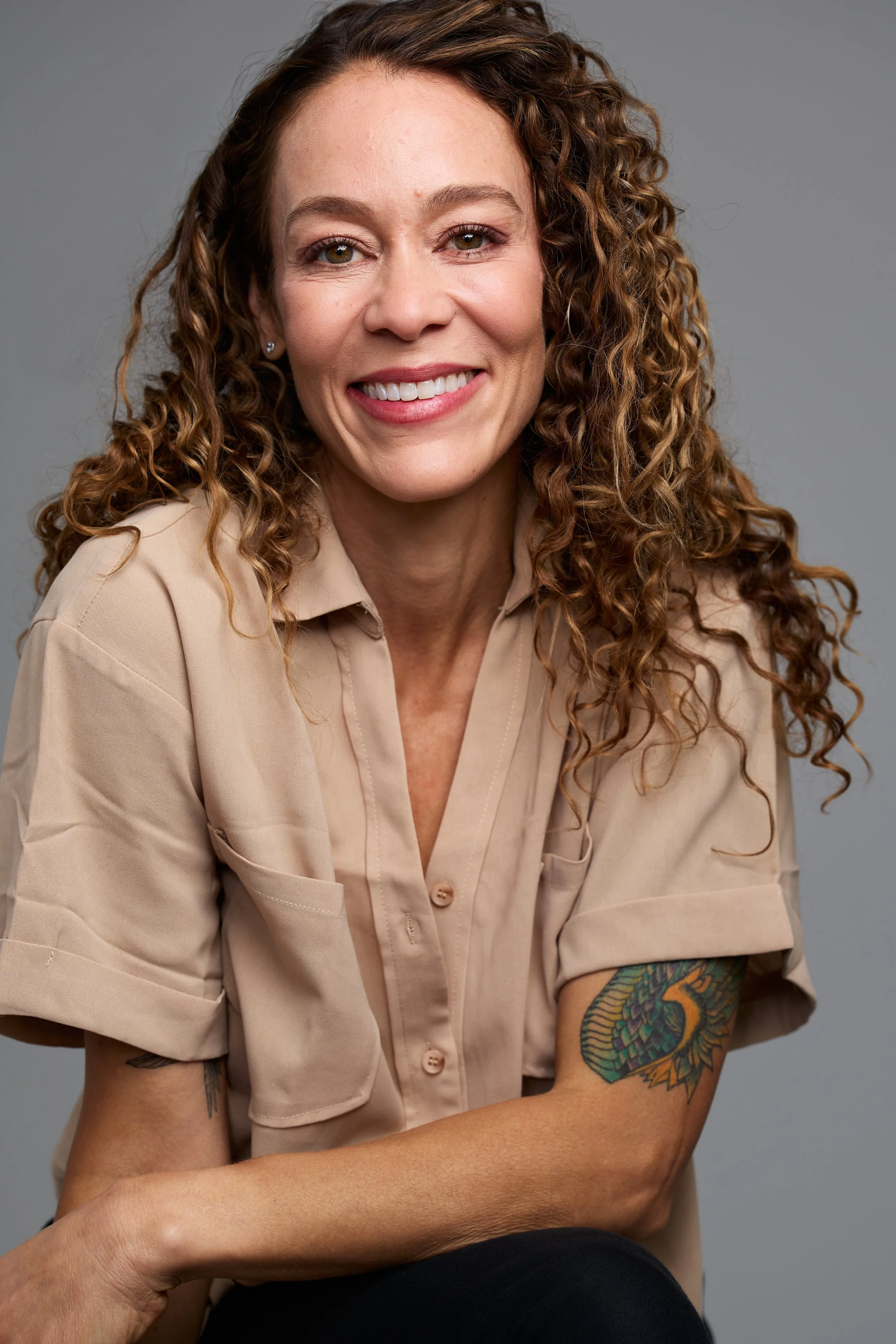
Hi, MY NAME IS Dr. Alisha Eastwood.
I am a California-licensed clinical psychologist (PSY35799) with a doctorate in clinical psychology from Palo Alto University PGSP and an undergraduate degree in Human Biology from Stanford University. My clinical training spans psychodynamic psychotherapy, neuropsychology, forensic psychology, and trauma-informed care.
Serving those in Oakland, Piedmont, Berkeley, the greater Bay Area, and virtually throughout California.
I specialize in depth-oriented psychodynamic therapy. not just symptom relief, but a shift in perspective, a deeper connection with yourself and the people around you, and a sense of meaning and purpose rooted in who you actually are.
This means helping you understand the unconscious patterns and relational dynamics shaping your life, so you can make meaningful, lasting change and gain confidence in who you are. The therapeutic relationship is central to that process — a place where old patterns can surface, be examined, and shift.
I also bring a creative sensibility to my work — the way I formulate, the way I imagine, the way I draw on my background as an actor and artist to understand others and their experiences.
Sometimes the work is intellectual. Sometimes it is emotional or spiritual. Sometimes it opens into something you couldn’t have imagined before you started.
I have trained and worked across a wide range of settings — community mental health, hospitals, forensic and locked facilities, the VA, and schools — giving me a broad foundation for working with diverse populations and complex presentations.
I have extensive experience providing long-term psychodynamic therapy to children, adolescents, and adults. It is an honor to be part of someone’s healing journey — to witness their dedication, courage, and commitment. I am inspired by the work people have done with me.
My fascination with the human condition — with what drives us, shapes us, and connects us — is what brought me to this work and keeps me in it.
My background as an actor — including years training with Ivana Chubbuck — is part of how I understand people. I learned to think about human experience in terms of objectives and obstacles: what people need and desire, what gets in the way, and the lengths they will go to in order to win what they want. That framework informs how I listen and how I work as a therapist. It also deepened my capacity to feel into another person’s experience — which is at the heart of good therapy.